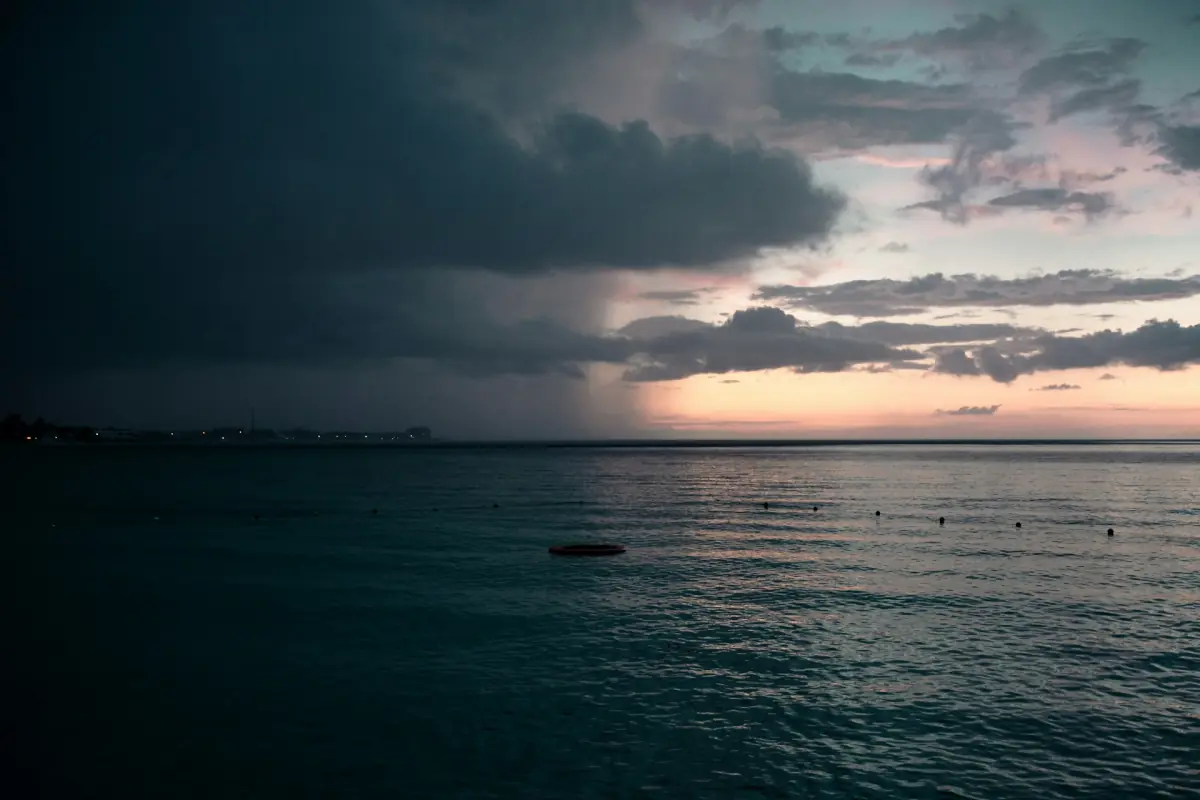
Understanding Nassau Bahamas weather
Nassau Bahamas weather is useful to read on two different scales: the climate helps with choosing a month, while the local forecast helps with choosing an activity. The figures here come from the Bahamas Department of Meteorology for station 78073 at Lynden Pindling International Airport on New Providence. They describe the historical reference period 1991 to 2020. They are not a forecast for an arrival date or a description of conditions at every beach.
December to April is comparatively drier in that record, while May to October receives more rainfall. That distinction can guide the balance between outdoor plans and flexible time. For choosing dates rather than interpreting individual monthly figures, see the best time to visit Nassau. A cruise call still needs a plan that works within the actual time ashore.

Monthly temperatures and rainfall
In January, the average daily maximum is 26.1°C and the average daily minimum is 18.2°C, with mean monthly rainfall of 44.7 mm. April has corresponding values of 28.7°C, 21.0°C and 73.9 mm. These maxima and minima are averages of daily temperatures, rather than record extremes. Packing and activity decisions should leave room for a day that differs from those averages.
The same 1991 to 2020 airport series gives June an average maximum of 31.8°C, a minimum of 24.2°C and rainfall of 220.0 mm. August records 32.8°C, 25.0°C and 211.1 mm. November has 28.3°C, 21.2°C and 86.6 mm; December has 26.8°C, 19.6°C and 43.2 mm. June has the highest mean monthly rainfall in this series. A monthly total does not show when rain will fall during a particular visit.
An evening on the water
For time on the water, this sunset cruise includes refreshments and hotel pickup.
Hand-picked tours, booked through GetYourGuide. Prices are indicative starting prices in US dollars (as of October 2026). Tap a tour for live availability and the current price in your currency.

An evening on the water
A sunset cruise with light refreshments and hotel transfer, subject to the conditions on the day.
Forecasts, warnings and the hurricane season
The Atlantic hurricane season runs from 1 June to 30 November. Treat this as a seasonal planning frame, rather than a prediction that a particular sailing will be affected. For the day itself, consult forecasts and warnings from the Bahamas Department of Meteorology and follow instructions from the ship and excursion crew. Use the current marine conditions when deciding whether a boat outing fits the day.
Keep the date and area of a forecast in view. Consider wind and the sea crossing separately from the temperature average. For an outing on open water, discuss sea conditions, life jackets and any programme changes with the crew. Weather can lead to changes or cancellations, so leave room to choose a different activity rather than forcing a fixed itinerary.
An evening cruise as a weather-dependent choice
The evening cruise featured here includes a sunset cruise, sushi and fruit hors d’oeuvres, drinks and hotel pickup and drop-off. Its departure point is Paradise Island Ferry Terminal. This is a light refreshment outing rather than a full dinner buffet. Arrange the included hotel transfer around the specific departure and leave the rest of the evening flexible. The experience depends on weather, and clouds may change the sunset view.
The boat tours guide explains the differences between evening sailings and daytime island visits. Choose the experience for its actual programme rather than using a bright photograph as a promise of conditions. Keep the crew’s instructions and the return journey in mind when deciding whether an evening on the water fits the day.
Making the decision during a cruise call
For cruise passengers, start with the ship’s boarding deadline and work backwards through the return journey, meeting point and activity. Weather can change a ship’s schedule as well as an excursion plan. A short-looking activity still needs time to reach its departure point. Nassau Cruise Port and Paradise Island Ferry Terminal are different places, so use the exact address in the booking.
Use the cruise port guide to organise the time ashore and keep a land-based alternative in mind if the marine programme changes. Separate decisions about transport, time and sea conditions: each can affect whether the day works even when the temperature looks appealing.
Frequently asked questions
Are these figures a forecast?
They are historical climate averages for the airport station, covering 1991 to 2020. Use current local forecasts and warnings for decisions during a visit.
Which months are comparatively drier?
December to April is comparatively drier in the airport climate record. Rain remains possible, so keep plans flexible.
Does a warm day mean a boat trip will run?
Temperature alone does not describe the sea conditions. Follow the crew’s departure decision and allow for changes or cancellations.