Reading Nassau history beyond the pirate story
Nassau history begins here with the city established as Charles Town in 1666 and renamed Nassau in 1695. Nassau is the capital of the Bahamas, on New Providence. Its harbour setting helps organise a visit, but the historical story deserves more than a sequence of pirate anecdotes. Read the city through colonial government, the labour of enslaved people, emancipation and the independent country that followed.
In 1718, Woodes Rogers arrived as governor and ended the pirate republic in Nassau. This is a useful turning point when placing the better-known pirate narrative within a longer account. Rather than treating that period as the whole identity of the city, use it as an opening question: whose experiences are visible in the buildings, and whose work needs to be remembered alongside them?

Enslavement, emancipation and the Queen’s Staircase
The Queen’s Staircase was cut from limestone by enslaved people in 1793 to 1794 and was later named after Queen Victoria. It belongs to the Fort Fincastle complex. Its significance is therefore both physical and human: the carved passage should be understood through the people compelled to make it, as well as through its later name and its relationship with the fort.
General emancipation in 1834 is another central date in the city’s story. Over-the-Hill is described in the regional history account as a settlement area of freed West Africans. Keep that history alongside the fortifications rather than as a small footnote after the pirate era. The Queen’s Staircase guide explains the setting and helps plan a visit without assuming access to the steps or the fort on a particular day.
Nassau history outing
This historic city outing includes live commentary on board.
Hand-picked tours, booked through Viator. Prices are indicative starting prices in US dollars (as of October 2026). Tap a tour for live availability and the current price in your currency.

A guided introduction to Nassau’s past
Historical commentary with van transport and local samples for a city visit that puts landmarks in context.
A guided introduction to the city
The historical sightseeing excursion featured here includes live commentary, transport in an air-conditioned full-size van, bottled water and food and beverage samples. Pickup and drop-off are available for major hotels and Prince George Wharf. Those inclusions make it an option for visitors who want a guided introduction with road transport, rather than organising every part of the route themselves.
Read the specific meeting instructions and programme before choosing between a guided outing and an independent walk. If entering a fort is a priority, check the admission arrangements for the actual departure. The city tours comparison helps separate transport and guiding from the particular visits a programme includes. A tour title alone is not a useful plan for every doorway along the route.
Fort Charlotte and the historic cityscape
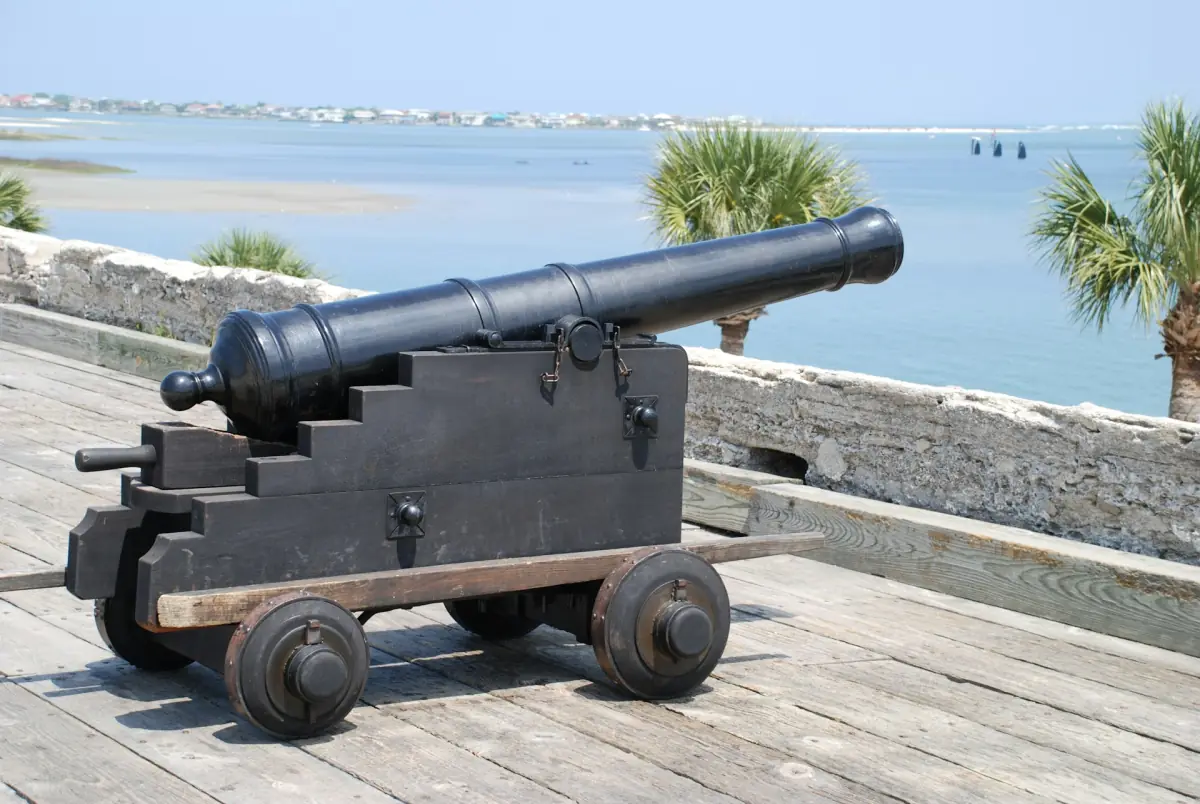
Fort Charlotte lies west of Downtown, on a hill off West Bay Street, and dates from the late eighteenth century. Its described features include a moat, underground passages and cannons. These details place it within the defensive history of Nassau. They also make it a distinct site to consider in the day’s route rather than confusing it with Fort Fincastle.
Bay Street offers a different way into the city’s story. The central Straw Market stands here, with straw work, woodcarving and other souvenirs among its goods. Take time to ask about the object being offered rather than assuming a common origin for everything on sale. Moving between the market, the staircase context and the forts allows a visit to include trade, labour and defence, without reducing history to military buildings.
Independence and Junkanoo as living culture
The Bahamas became an independent sovereign state on 10 July 1973. Keep that date in the story when moving from colonial landmarks to the present-day capital. Nassau is a city in an independent country, and a historical visit can recognise that change rather than ending its narrative with the colonial forts or the arrival of a governor.
Junkanoo belongs to the cultural life of that city. Boxing Day and New Year form its recurring Nassau framework, and the largest parade takes place on Bay Street. An interest in the tradition can shape the timing of a visit, but attendance needs the programme and access details of the particular edition. The seasonal planning guide explains how that cultural interest fits with choosing dates.
Frequently asked questions
What was Nassau originally called?
The city was established as Charles Town in 1666 and renamed Nassau in 1695. Woodes Rogers arrived as governor in 1718 and ended the pirate republic.
Who created the Queen’s Staircase?
Enslaved people cut the staircase from limestone in 1793 to 1794. Remember that labour when considering its later naming after Queen Victoria.
Does a historical tour include every fort interior?
Match the actual programme and admission arrangements to the sites you want to enter. The excursion described here includes commentary and van transport; plan specific interior visits from the relevant departure details.